Huntington Urban Forest
What Is the Urban Forest?
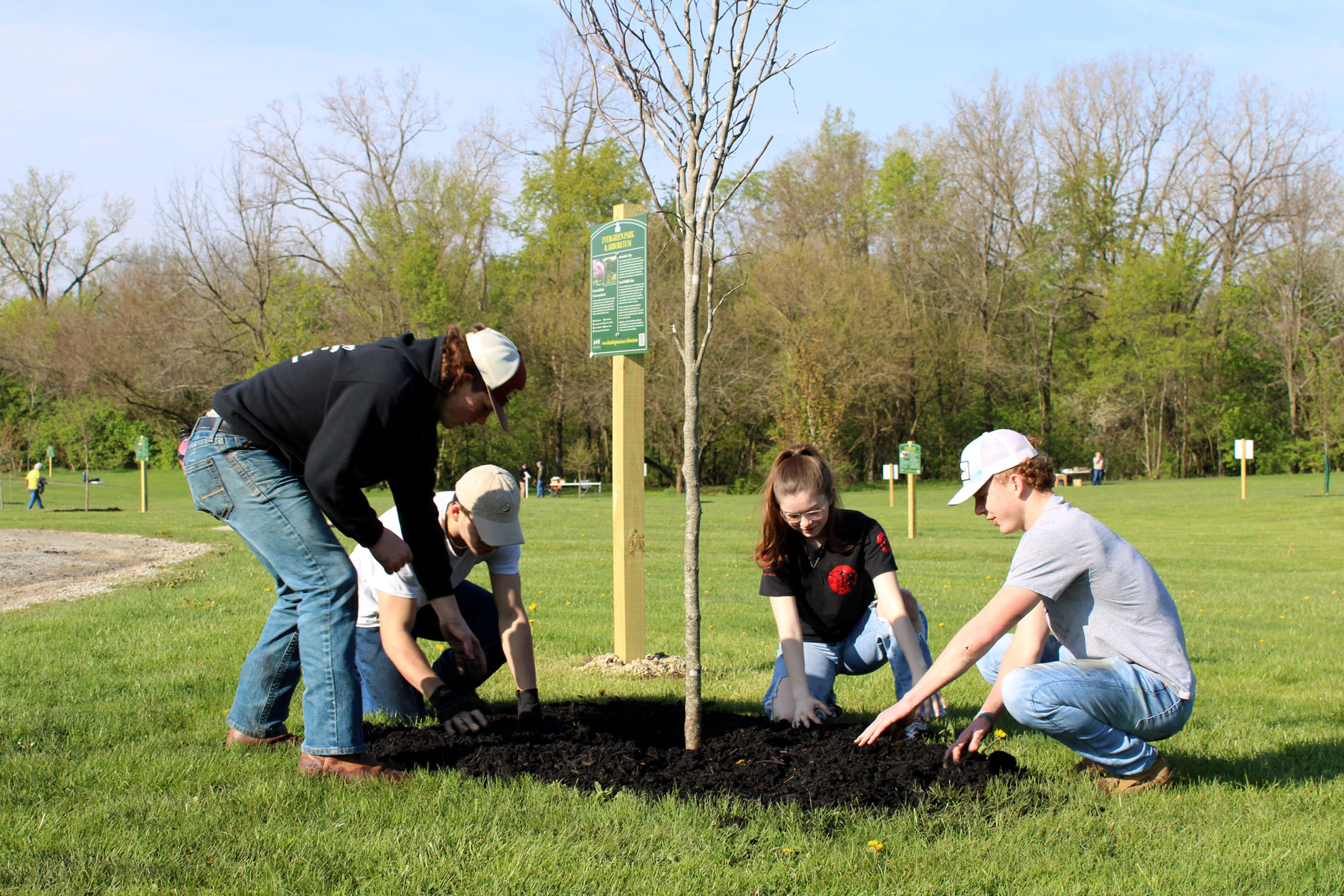
Huntington’s urban forest includes all trees across public and private land – from parks and streets to backyards and business areas. This living network improves air and water quality, reduces stormwater runoff, boosts property values, supports health and wildlife, and helps cool our city.
The City maintains and cares for trees in public spaces, such as parks. While we also monitor trees for health and public safety in rights-of-way, adjacent property owners are generally responsible for their care and maintenance. Learn more in our Tree Ordinances.
Urban Tree Inventory
Understanding what we have helps us plan for what we need. Huntington’s tree inventory gives a detailed snapshot of the size, diversity, condition, and canopy coverage of our urban forest. This data helps city planners, the Tree Board, and residents make informed decisions.
Our goal is to follow the 30-20-10 rule for resilience and biodiversity:
- No more than 30% of the canopy from a single family
- No more than 20% from a single genus
- No more than 10% from a single species
This helps protect against pests, disease, and climate challenges.
Tree Board
The Tree Board advises on planting projects, supports community education, and helps shape policies for tree care and sustainability. From reviewing planting plans to promoting Arbor Day and “Oak-tober,” the Tree Board brings together citizens, staff, and experts.
Tree City USA
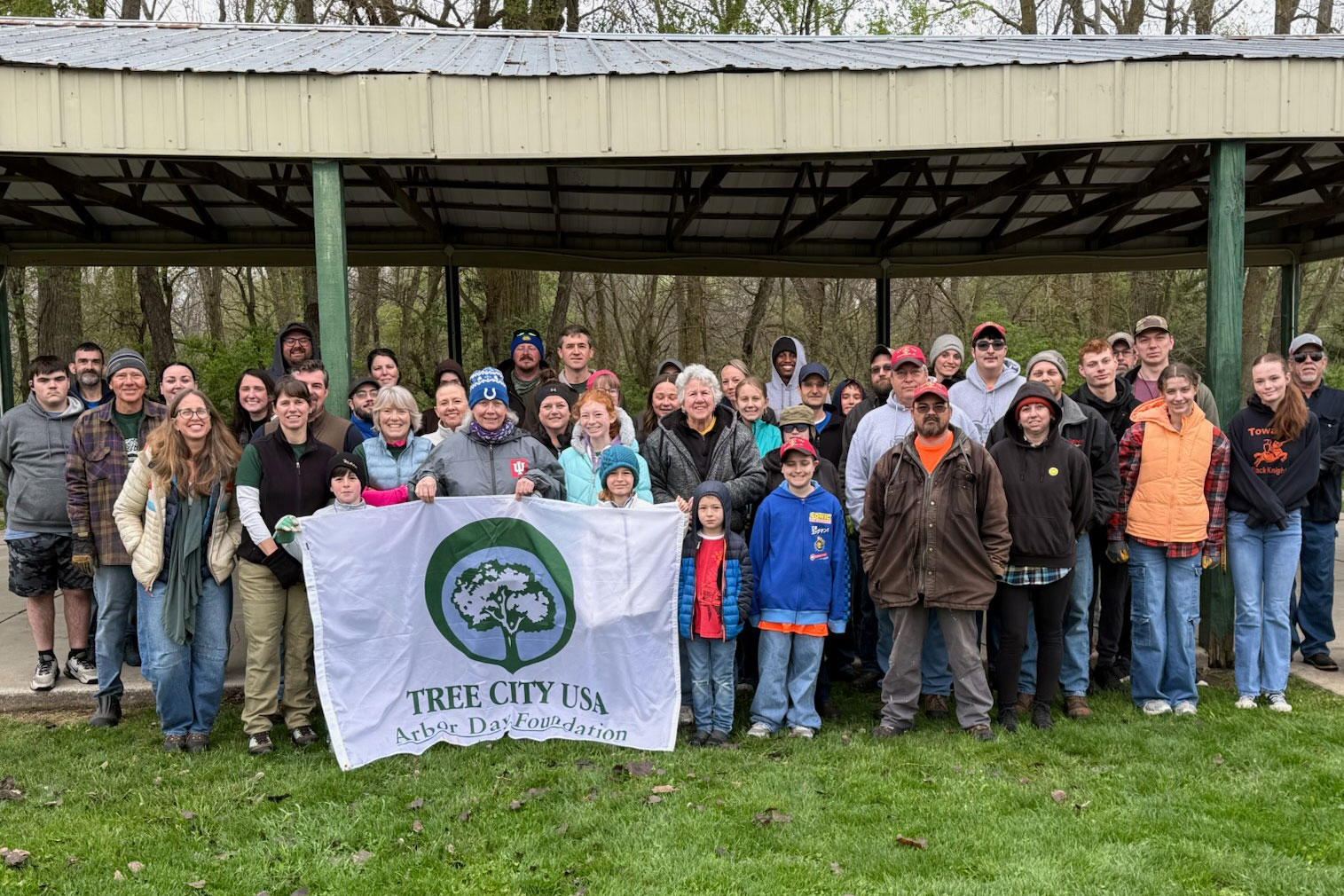
We’ve been recognized as a Tree City USA since 1996. This designation honors communities that meet national standards in tree care, education, and engagement.
Planting, Pruning, and Removals
The City provides guidance and oversight for:
- Planting new trees (see our Approved Tree List)
- Pruning for safety and health (see Tree Pruning Essentials PDF)
- Removals when trees are dead, diseased, or hazardous
-
- Find an ISA-Certified Arborist
- Learn more at isa-arbor.com
Ordinances & Ownership
Tree care responsibilities depend on tree location:
- Public Trees: Located in parks, public ways, or city property
- Private Trees: On private property or adjacent rights-of-way (unless otherwise stated)
Not sure who’s responsible? Read the Tree Ordinances for details including:
- Ownership determination
- Authorization requirements
- Maintenance guidelines
Certified Arborists & Resources
Need expert help? Huntington has ISA-certified arborists to assist with care and planning.
Doing it yourself? Explore resources on:
- Planting techniques
- Tree pruning best practices
- Species selection
- Soil Drainage Percolation Tests (Open as PDF)
- Soil Health (Open as PDF)
Sidewalk and Stormwater Solutions
Huntington’s Sidewalk Repair Program offers tree-friendly repair options and materials to reduce root conflicts.
Learn more about:
- Runoff management with trees
- Brush pickup schedules
- Green infrastructure
Get Involved
Whether volunteering on Arbor Day, joining the Tree Board, or planting the right tree in the right place — your involvement helps grow a greener Huntington.
Recent News
Useful Links
Contact Us
City Forester
- Phone: (260) 356-1400 x 2024
- Staff Directory
- Hours: 8 a.m. to 4:30 p.m.
Monday through Friday